





How NextGear Capital Boosted Lead Form Submissions by 20% Through Performance-Focused Modernization
The Client
NextGear Capital, a brand of Cox Automotive, is the largest independent inventory finance company in North America, providing flexible lines of credit for dealers to purchase inventory from over 1,000 auto and specialty auctions throughout the United States.
NextGear Capital approached their longtime agency partner rtCamp for a comprehensive website redesign – one that would align with their updated brand identity and current UX expectations, scoped as a fixed-cost project. The key objectives were to modernize their digital presence, support lead generation goals, and ensure visual consistency along with other Cox retail brands.
The project involved migrating their WordPress infrastructure from page builders to a scalable, high-performance, native block-based architecture, unifying the brand voice across North America.
Quick Overview
| Challenge | Solution | Outcome |
| Third-party Page Builder: Heavy reliance on third-party page builder tools caused performance bottlenecks and restricted design flexibility. | Native Gutenberg Implementation: Rebuilt the theme using custom blocks and a Cox design library for pixel-perfect fidelity. | Faster Load Times: Improved Core Web Vitals and a more intuitive “no-code” editing experience for staff. |
| Lead Tracking: Issues on Google Analytics 4(GA4) made it impossible to measure true marketing ROI. | GA4 Audit & Cleanup: Stripped unnecessary events and recalibrated tracking to focus on high-value conversion | Data Integrity: Clean, actionable analytics that allow for precise budget allocation and lead attribution. |
| Fragmented Data: Content was scattered across legacy databases and redundant custom post types. | Unified Architecture: Consolidated all content into a single “Resource” post type with a deep database cleanup. | Improved UX: A centralized “Source of Truth” for users, making resources easier to find and manage. |
Page Builder Limiting Content Creation
NextGear Capital’s existing digital infrastructure relied on a third-party page builder. While the tool had served its purpose, the setup introduced performance overhead and restricted the design fidelity required for the revamp. The client aimed for solutions that balanced rigid brand guidelines, editorial freedom, and lead generation.
Block Architecture for Enhanced Content Creation
rtCamp executed a complete transition from third-party page builder tools to the Gutenberg block editor by developing a custom theme utilizing the Cox design library, a collection of custom components and reusable blocks from the parent Cox Automotive brand. rtCamp went on to build dynamic blocks and patterns that matched the Figma designs provided by the NGC’s design partners.

The project involved the meticulous reconstruction of key landing pages using modern components, achieving pixel-perfect design accuracy and a highly optimized code base. To ensure the new site remained lightweight and easily maintainable, the team leveraged native WordPress patterns instead of relying on heavy third-party plugins. This strategic shift significantly improved the content creation process for NGC’s content teams, better supporting NextGear Capital’s objectives.
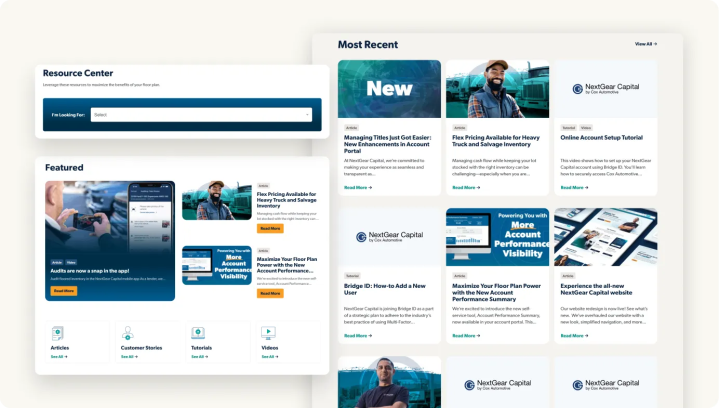
Previously, editors worked through a sidebar-heavy interface. The new setup allows the client’s team to edit content directly on the canvas, seeing the final layout in real-time, thereby streamlining the publication workflow.
Standardizing Brand Assets with Pop-up Maker
Previously, the client managed site pop-ups using disjointed Advanced Custom Fields (ACF) implementations. To streamline this, the team integrated the Pop-up Maker plugin. However, to maintain strict brand consistency, rtCamp customized the plugin’s default settings. This ensures that any new pop-up created by the marketing team automatically inherits the correct fonts, colors, and spacing, preventing off-brand visual elements from entering the live site.
Fragmented Data Architecture
NextGear Capital’s issues extended beyond the user interface to significant content organization challenges. Specifically, valuable content was fragmented across multiple post types, such as “News” and “Articles.” This lack of centralized organization severely hampered content discoverability for end-users. Additionally, the existing infrastructure was burdened by a buildup of obsolete custom fields and metadata, remnants of the legacy setup that no longer served the contemporary structure of the website.
Streamlined Backend & Data Hygiene
To resolve this, the engineering team undertook a significant refactoring of the content architecture. Specifically, the distinct “News” and “Articles” content types were consolidated into a single, unified “Resource” custom post type. This new structure was supported by updated taxonomy mappings, which maintained and even enhanced the ability to apply granular filtering, ensuring the content remained easily discoverable.
Concurrently, the team executed a deep-clean of the database. This involved a meticulous audit of the MySQL data to identify and eliminate unnecessary meta fields that were vestiges of the previous content management system and no longer served a purpose in the modern block-editor environment. This targeted reduction in database bloat directly resulted in faster query execution times and significantly improved the overall administrative experience for content managers. Furthermore, the critical “Auction Finder” tool, a key resource for dealers, was entirely refactored to be more performant and ensure its accurate utilization of geolocation data within the constraints of the new site architecture.
Poor Tracking of GA4 Events Led to Inaccurate Lead Reporting
The existing GA4 setup failed to properly track the client’s key objective of lead generation. A cluttered environment of redundant events and, most critically, the misalignment of lead generation forms as conversions meant the client could not accurately track or optimize their most important business campaigns.
Enhanced Data Intelligence with a Comprehensive GA4 Overhaul
rtCamp proactively addressed the client’s business goals by completely restructuring the analytics setup to resolve issues with traffic visibility and reporting accuracy.
- Event Streamlining: The team conducted a full audit of all existing GA4 events, identifying and removing redundant ones to declutter reports and focus on meaningful data for NextGear Capital.
- Conversion Optimization: Critical events, tracked via Form IDs, which are then linked to lead generation forms, are now correctly configured as conversions. This overhaul provided NextGear Capital with immediate, clear insights into user behavior and campaign performance.


rtCamp has been a great partner in supporting our efforts to modernize our websites. Helping us cleanup our backend and modernize the content publishing to simplify administration and remove unneeded plugins to maximize performance.
Tim Shelton
Digital Marketing Manager
Conclusion
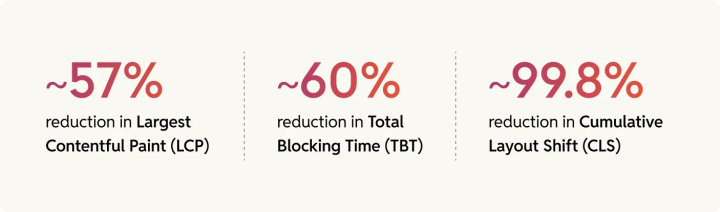
By moving to a native WordPress architecture and eliminating technical debt, NextGear Capital achieved a leaner, faster, and more manageable digital platform.
- SEO Performance: Post-launch optimization resulted in SEO scores jumping from ~66 to 95 on PageSpeed Insights, with pages like (Homepage, Resources, About Us, Contact Us) achieving a perfect SEO score of 100.
- Better Leads and Conversion Tracking: The combination of optimized site performance and accurate Google Analytics 4 (GA4) tracking for key forms delivered immediate, reliable data, resulting in a 20% increase in lead form submission.
- Mobile Optimization: The revamp corrected previous mobile layout issues, delivering a fully responsive experience across devices.
- Editorial Efficiency & Performance: The shift to Gutenberg patterns reduced the time and complexity required to build new landing pages. Campaigns launch faster without developer dependence.
- Reducing Overheads: Removing legacy plugins reduced the administrative overhead required to manage the digital estate.