







Trusted by some of the world’s leading brands








Still on Sitecore?
Then this will probably sound familiar.

Sitecore skills are niche, so you’re competing for a small pool of expensive specialists.

A simple layout change goes into a developer queue. And ships days later.

You brought in a certified partner for the implementation. Two years later, they’re still the only ones who know how it works.

You asked for a pricing breakdown before renewal, but didn’t get a clear, line-item answer.

XM Cloud looks like an upgrade until you realize it’s a full rebuild. New architecture, APIs, integrations. Same cost as migrating away.
Leaving Sitecore is the right move,But it doesn’t make your migration risk-free
Sitecore’s template inheritance, rendering variants, and developer-dependent workflows don’t simplify when you migrate. Without Sitecore to WordPress migration experts handling the transition, they fail in three critical areas.

SEO performance
Mess up the Sitecore to WordPress migration, and your hard-earned search visibility is gone.

How we protect your rankings
We map every URL upfront, validate redirect chains, migrate metadata field by field, and run a crawl simulation before the DNS switch.

Content integrity
Bulk exports miss relationships, so content arrives on WordPress structurally incomplete.
How we protect your content
We define field-level mappings during discovery, then validate and test every content object against the source before launch.

Team productivity
Sitecore locks marketing behind developers, and a bad migration can recreate the same dependency on WordPress.
How we protect your workflows
We design WordPress around how your team publishes, so they can create, edit, and launch independently of developers.
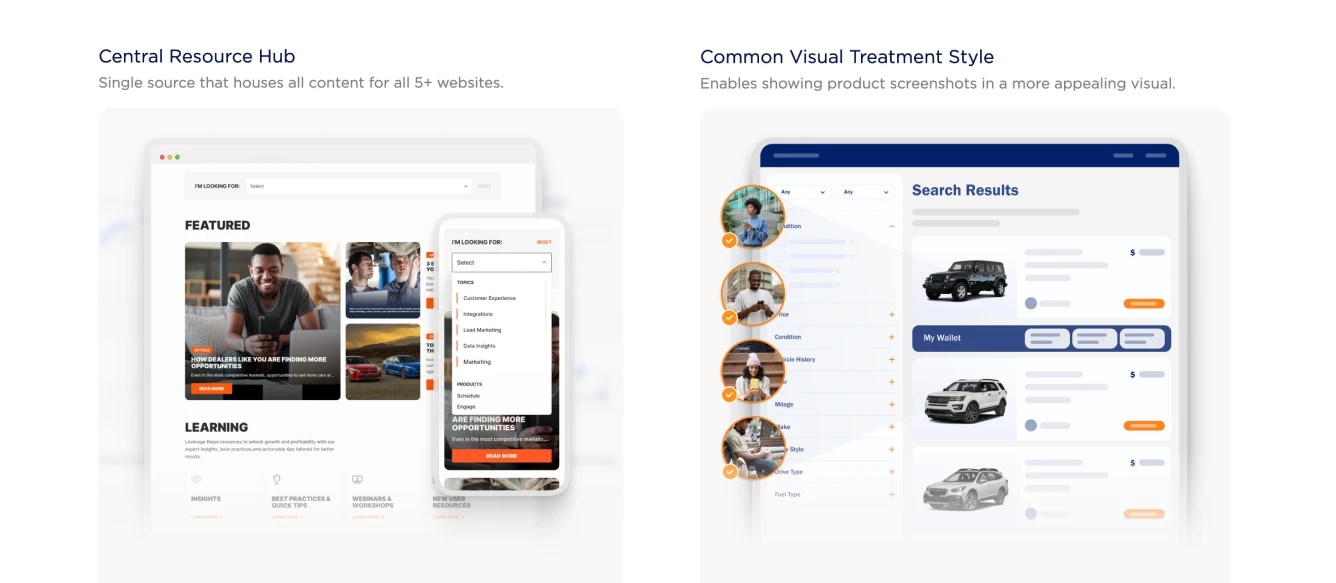
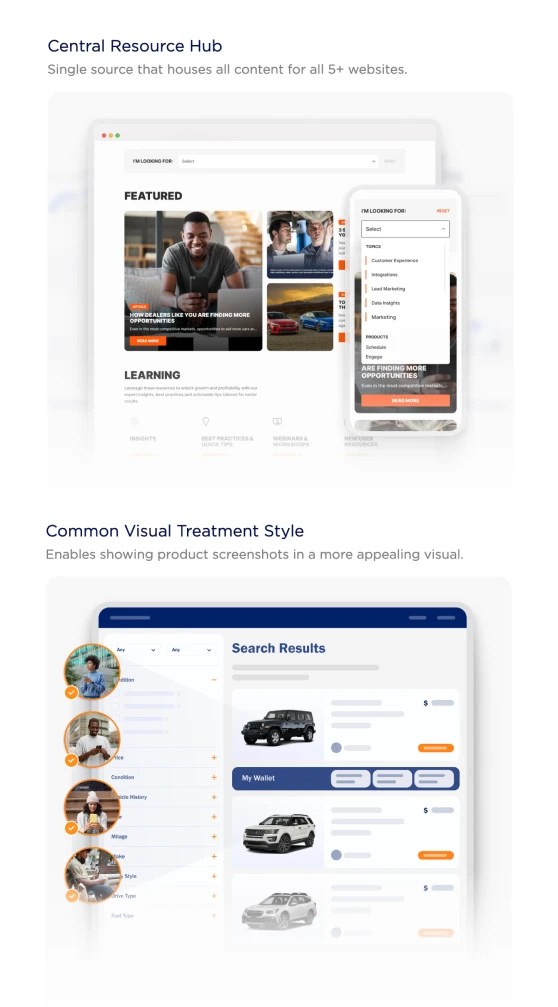
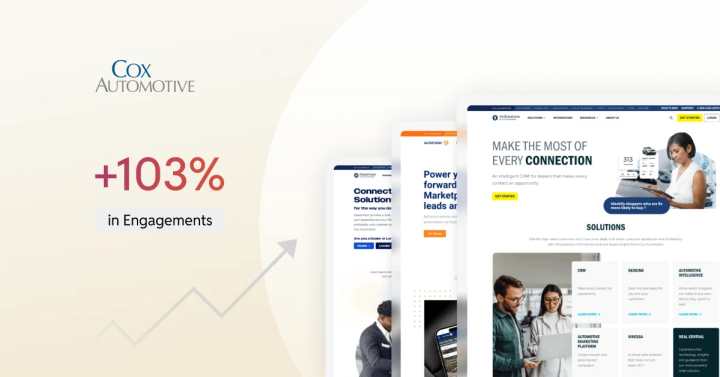
Cox Automotive migrates multipleplatforms to WordPress, achieving 21% higher website performance

Their expertise and client-centered approach have made them invaluable partners in developing industry-leading websites.

Justin Collins
Marketing Director at Cox Automotive
What changes when you movefrom Sitecore to WordPress
Here’s a side-by-side breakdown for teams building the internal business case.
 WordPress WordPress |  Sitecore Sitecore | |
|---|---|---|
| Annual platform cost | Zero licensing. You invest in what you build, not what you’re bundled. | Expensive licensing tiers that bundle personalization and CDP capabilities most teams never deploy. |
| Upgrade cycle | Backward compatible across versions. No forced replatforms. | XM Cloud migration is architecturally a replatform, not an upgrade. |
| Editorial independence | Gutenberg gives editors a block-based builder with on-brand components. No developer tickets for content changes. | XM Cloud’s Pages editor gives marketing more control, but the component architecture still needs certified Sitecore specialists to build and maintain. |
| Talent availability | Hundreds of thousands to millions of WordPress developers globally. | Sitecore-certified developers are niche and expensive. |
| Vendor stability | Backed by Automattic, powers 43% of the web. What you build today won’t be undone by a strategy shift next quarter. | Layoffs every three to four months, leadership turnover, and strategy shifts. You’re building on ground that keeps moving. |
| Ownership | Open source. You own every line of code and control your own roadmap. | Vendor-controlled roadmap and pricing tiers. XM Cloud locks your infrastructure to Sitecore’s hosting model. |
AI readiness
And you stop paying for AI capabilities you never use
Sitecore bundles personalization, CDP, and Content Hub into your bill whether your team uses them or not. WordPress lets you build all you need, and nothing you don’t. We map AI-readiness across the 5 AI Dimensions:

AEO implementation
Sitecore’s content architecture wasn’t built for AI search. WordPress gives your content the semantic structure LLMs actually index.

AI-led editorial
The editorial workflow your team lands on is AI-capable from day one, so you won’t need developer tickets for layout changes any more.

AI-led personalization
You’ve been paying for Sitecore Personalize without deploying it. On WordPress, personalization ships on that infrastructure you own.

WordPress as AI-integrated platform
WordPress connects AI tooling through the APIs you control instead of Sitecore’s closed stack.

AI-accelerated development
AI in our delivery means the migration runs faster, and you can upgrade your workflows without depending on niche specialists.
Learn more about rtCamp’s approach to AI on WordPress
What you get with WordPress migration
On WordPress, you’re not locked into a bundled platform. You choose the tools you need, integrate them your way, and publish without waiting on developers.

Owned infrastructure
No licensing fees or vendor lock-in. The codebase is yours to extend, fork, or hand to a different partner.

Editorial independence
Gutenberg blocks give marketing teams an on-brand page builder. You can edit, publish, and update pages without developer tickets.

Composable architecture
Connect the tools you already use. Analytics, CRM, ad tech, and personalization, chosen by you, not bundled into a contract. This is WordPress as a composable DXP.

The largest talent pool in CMS
50,000+ WordPress developers globally. When someone leaves, the next one isn’t hard to find.
How we migrate from Sitecore to WordPress
With 300+ enterprise migration projects under our belt, our Sitecore to WordPress migration services follow five predictable phases. All engagements start with 20 hours of free discovery.
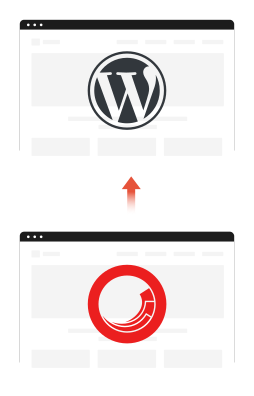
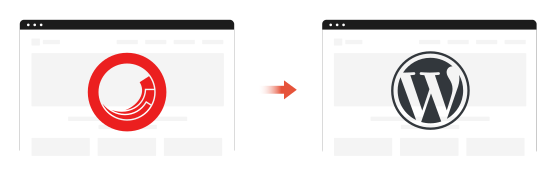
Migrate fromSitecore to WordPress
We protect everything that matters
Six things break in most migrations. We make sure none of them do.
SEO equity preserved

Your ranking authority survives every URL
We audit every URL, validate redirect chains, check metadata field by field, and run a full crawl simulation — all before the DNS switch happens.
Content integrity validated

Every content object arrives intact
We plan every content field before migration, map template inheritance and media relationships, and run checkpoint reviews at every stage.
Editorial workflows rebuilt

Your team publishes on day one
We build Gutenberg blocks and editorial tools around how your team publishes, not around generic templates you’ll spend months fixing.
Integrations maintained

Your existing tools stay connected and working
Before go-live, CRM, analytics, ad tech, and marketing automation get rebuilt and tested against production traffic.
Zero downtime deployment

Your visitors never notice the switch
Your new WordPress platform is built in parallel. If anything needs a rollback, it’s instant. Sitecore stays available until you give the final sign-off.
Team enablement included

Your team operates independently
Technical and editorial documentation, live training sessions, and 30 days of dedicated Hypercare come with every engagement.
Why choose rtCamp as your Sitecore to WordPress migration company
We bring proven enterprise WordPress development expertise.

Known for complex WordPress migrations
We’ve migrated enterprise platforms from AEM, Drupal, Kentico, .NET, and custom CMSs. The risks are the same: SEO loss, broken content, and disrupted workflows. We engineer against them all.

We’ll tell you if you don’t need us
If a Sitecore XM Cloud migration is the right move, we’ll say it. We don’t push migrations that don’t make sense.

WordPress VIP Gold agency
Core contributors for 34 consecutive WordPress releases. 200+ engineers in-house. SOC 2 compliant. 96% client repeat rate.
Why enterprises trust rtCamp
What ourclients say
We started off young, back in 2011, with an idea that evolved into a big company.

Their expertise and client-centered approach have made them invaluable partners in developing industry-leading websites.


Al Jazeera used rtCamp to provide surge staffing for some critical, time-sensitive internal projects. The high-quality engineers they provided us integrated quickly with our agile processes and have since proven to be among the most productive members of the team.
Planning to move from Sitecore to WordPress?
Book a free consultation and we’ll recommend the right approach.
Check outour resources

Frequently asked questions
The scope depends on how many sites you’re migrating, content volume, integration complexity, and more. Most enterprise engagements fall between $50K and $250K. We scope every project through 20 hours of free discovery, so you have a clear budget picture before any commitment is made.
For most enterprise Sitecore implementations, plan for 3–6 months. We deliver in phases, so your live site is never at risk.
No, if handled correctly. If you choose to partner with us, we map every URL, validate redirects, migrate metadata field by field, and test everything before go-live to preserve your search visibility.
Most Sitecore personalization is never fully deployed. Our agency overcomes this challenge by starting with an audit of what’s in use and rebuilding only what delivers value using composable tools.
Yes, if you don’t need a bundled DXP. Sitecore packages multiple capabilities together, but most teams only use it as a CMS. WordPress takes a composable approach. You choose the tools you need, integrate them easily, and avoid paying for features you don’t use.
Yes. CRM, analytics, marketing automation, and other integrations are rebuilt and tested under real conditions before launch. We ensure each system connects correctly with your new platform and performs as expected under production traffic.
For most teams, yes. Sitecore’s licensing bundles personalization, CDP, Content Hub, and marketing automation into a single bill. You pay for all of it, whether your team uses it or not. With WordPress, you invest in the features your team uses, the integrations you’ve chosen, and the infrastructure your traffic requires. Nothing more.
No. We build your new platform in parallel and use blue-green deployment to switch with zero downtime. Rollback is always available.
Yes, and that’s the goal. Technical documentation, editorial documentation, and live training are standard deliverables on every engagement with rtCamp. Most teams are operating independently within weeks of launch. The 30-day Hypercare period is there to close any gaps before we step back.