







Leading brands trust our expertise




Why enterprises trust us

WordPress VIP Premier Partner

SOC II Type 2 Compliant

ISO 27001 Certified

Automattic Premier Partner

Pagely Certified Partner

Kinsta Elite Partner
Design problems we solve
Most WordPress redesigns improve the interface…and ignore the workflow
Most designs are built for the visitor. The people running the site are an afterthought.

Figma doesn’t translate into Gutenberg
Design gets approved in Figma. Then someone builds it in WordPress. Problem is, Figma doesn’t know what Gutenberg can or can’t do.

Marketing depends on developers
Page title or new campaign layout shouldn’t need an engineering ticket — they do on most WordPress builds. Marketing waits, while developers get a ticket to swap an image.

Brand governance is difficult to enforce
Without rules built into the blocks, spacing drifts and fonts change page to page. Multi-region teams end up with their own version of the brand.

Implementation debt accumulates
Every workaround and every page built outside the design system adds up. A few years in, the platform is harder to redesign than it was to build the first time.
Sounds familiar?
Let’s discuss how we can solve it.
Our solution
Design for how your WordPress site runs
We design for two audiences simultaneously: the end-user who loads the page and the editor who builds it.

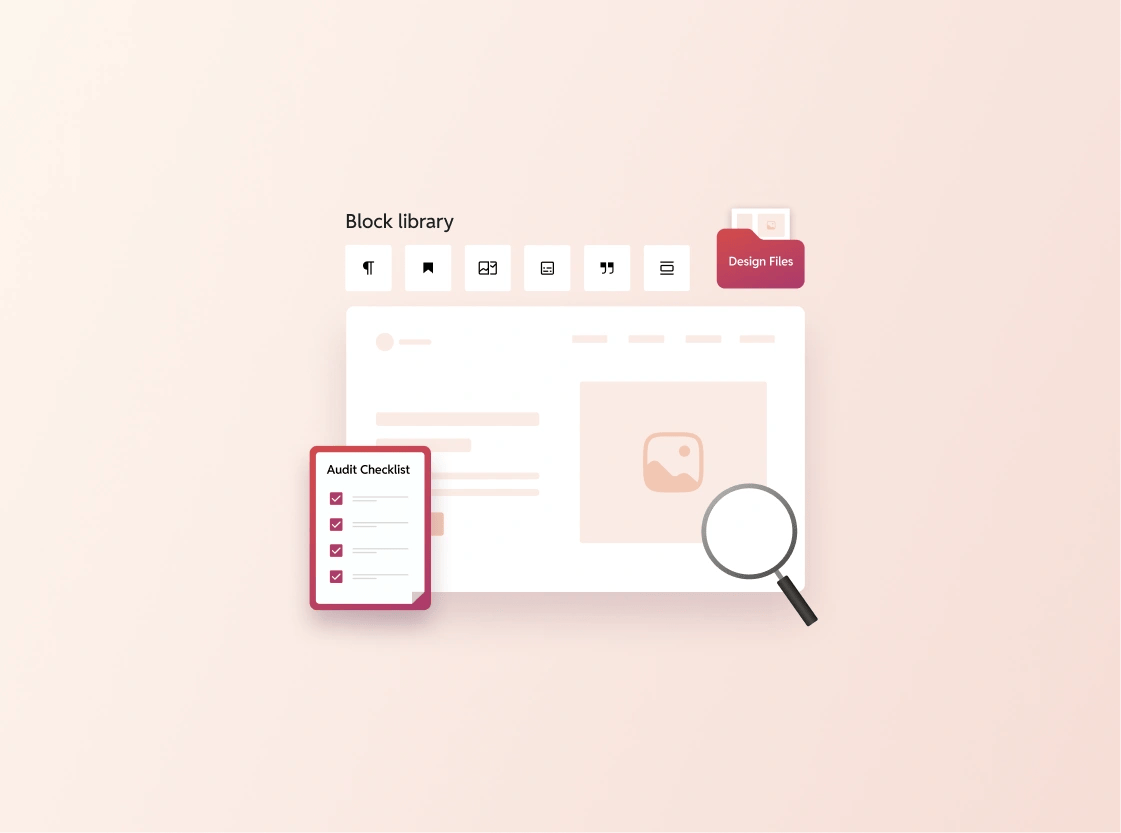
Block-first UI/UX design
Every design starts as Gutenberg blocks, not a Figma file translated after the fact. What you approve is what gets built.

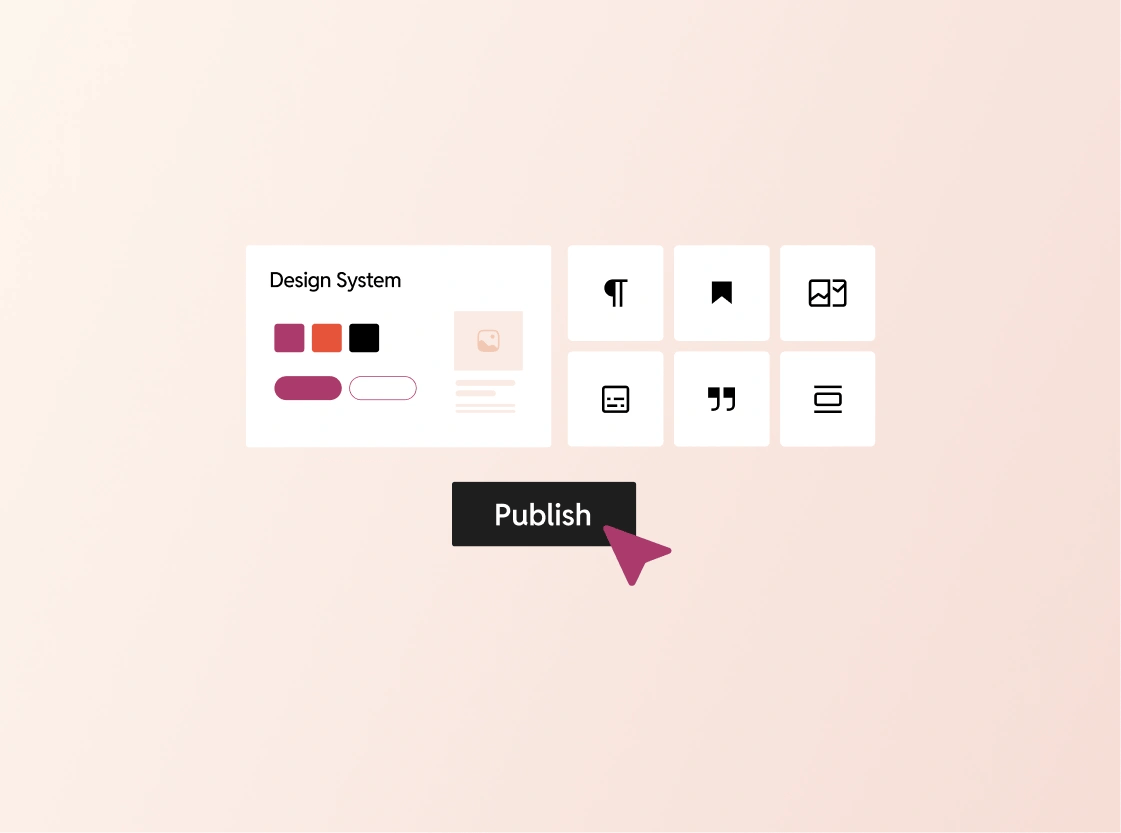
Design systems that enforce themselves
Brand rules live in the blocks, not only a style guide. Editors can’t build something off-brand, because that option doesn’t exist.

Editorial UX is the same priority as customer UI
A page that looks great but takes a ticket to update is poor design. We spend as much time designing what editors see as what visitors see.

QA against the real thing
We test the design system against your live environment, the same one your editors will publish on. What you see in review is what they get.

AI-led editorial, governed by design system
Draft generation, alt-text, metadata, taxonomy. We build these into the same governed blocks your editors already use. See how AI-led editorial works inside WordPress.

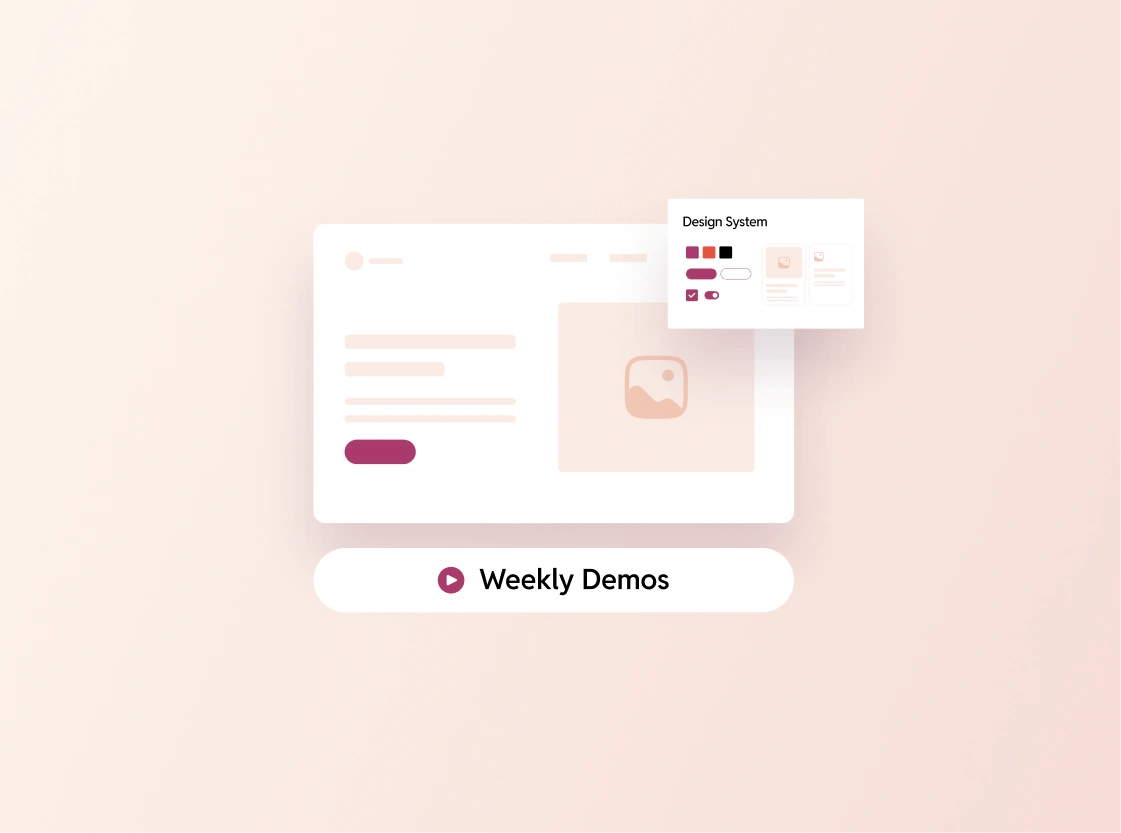
A unified system across design, development, and content
Design, development, and QA work from the same documentation. Nothing gets lost in translation between what’s approved and what ships.
Get a free design discovery from rtCamp
20 hours, no commitment. We’ll look at your current design and tell you what’s possible.
OutcomesWhat each audience gets from rtCamp design system
| Site visitors and customers | Editors and marketing teams |
|---|---|
| Consistent experiences across pages | Publishing independence |
| Accessibility by default | No developer tickets for routine changes |
| Faster-loading pages | Guided editing experience |
What our engagement looks likeA design delivery model built for the long run
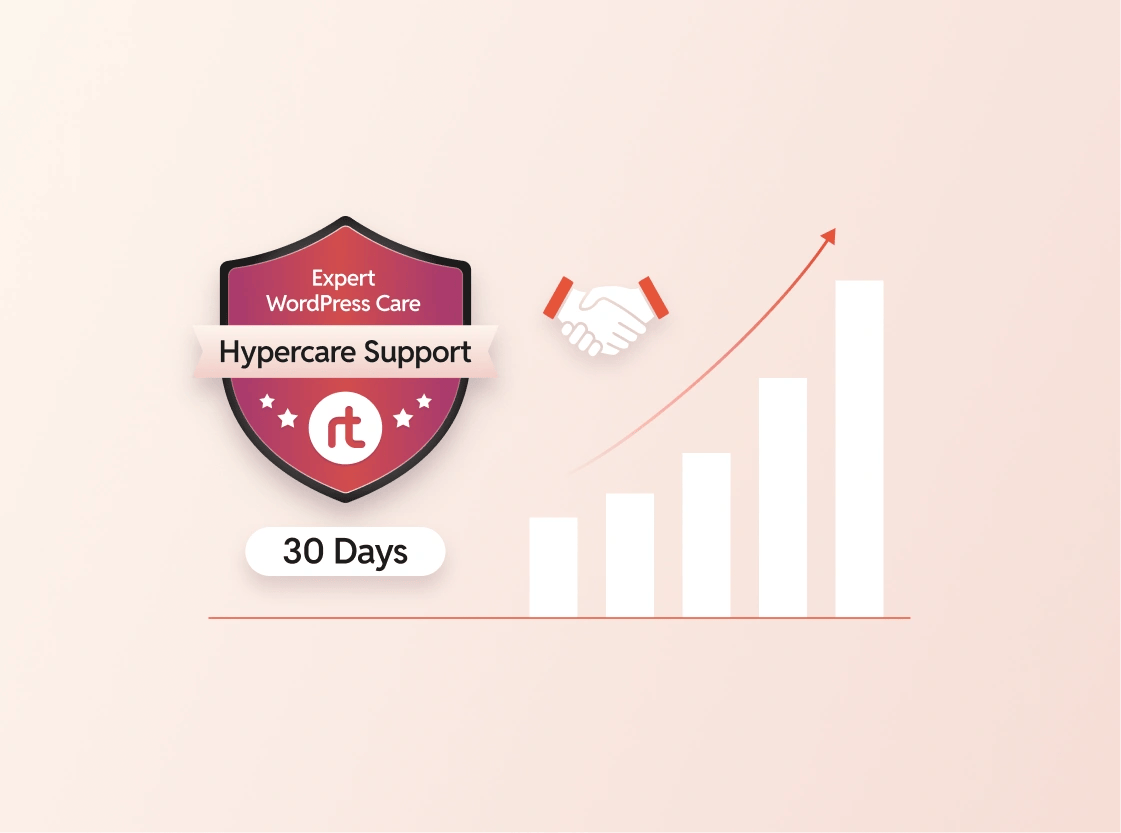
Every engagement starts with 20 hours of free discovery and extends beyond launch through Hypercare and continuous evolution.

Recent success stories
See our WordPress design work in action
Discover our recent client success stories.

Ready Logistics gets 49% more leads after a UI/UX refresh
A logistics brand under Cox Automotive needed a site that converted better. rtCamp redesigned the pages, kept the brand intact, and moved the site to VIP hosting.

NextGear Capital: Page builder out, native Gutenberg in
NextGear’s site ran on a third-party page builder. Slow, rigid, hard to keep on-brand. rtCamp rebuilt it with native Gutenberg blocks, matched to the brand design library.

Pasqal goes from developer-dependent to design-led
The marketing team at the quantum computing company couldn’t touch their own site without a developer. We rebuilt it on Gutenberg, governed by a design system.

We needed a faster site that gives our marketing team control and flexibility. We got just that.
Why rtCamp
Why enterprises trust rtCamp
Open-source depth, enterprise delivery experience, and a design system that holds up in production.

Backed by the best in the ecosystem
We’re a WordPress VIP Premier/Gold and Automattic Premier Partner. Every design system we build meets their editorial standards.

We help build WordPress itself
With 34+ contributions to WordPress Core, we don’t just design within Gutenberg’s constraints, but help write them.

Experience you only get by doing it
We’ve designed and built for 500+ enterprise teams. We know what holds up once editors, campaigns, and deadlines hit a design system.
AI-led editorial, built into a design system
AI-assisted drafts, automatic alt-text, and metadata suggestions all run inside the same governed blocks your editors publish with. Nothing goes live without review. Nothing breaks brand.

Your marketing team’s favorite developers
After working with rtCamp, marketers launch campaigns, publish landing pages, and update layouts independently. Not a single developer ticket opened.

One design system across every brand
We’ve built component libraries that hold across 50+ properties and regions. OneDesign, the design layer of our OnePress framework, is what 15+ years of that work looks like productized.
What’s next
Meet marketing-ready WordPress
What your marketers get to do, once the design system is built.
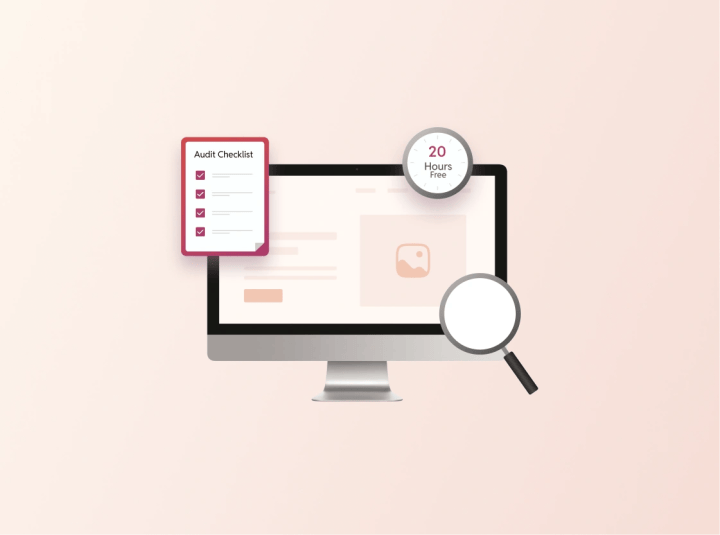
We offer 20 hours of free discovery before commitment
Frequently asked questions
Either. Some clients want a full design system rebuilt across every page. Others start with one workflow, like landing pages or a single template, and expand from there. We scope it to what you need.
Most run a few weeks to a few months, depending on scope. A single template moves faster than a full design system across every page. We’ll give you a timeline after the audit.
A component-level design system built for Gutenberg, a governed block library, documented handoff for your developers, and a workflow your editors can publish inside. Plus QA against your live production environment before anything ships.
Figma lets you design anything. Gutenberg only lets editors do what the blocks allow. Designing for Gutenberg means thinking in those constraints from the first frame and not handing off a comp, hoping it translates.
No. This is a design engagement, not a platform rebuild. If we find deeper issues along the way, like performance or architecture problems, we’ll tell you. That’s a separate conversation, and not something this engagement assumes.
The block library updates with them. Because the rules live in the blocks, a brand update means updating the components once. If you’re running multiple brands, OneDesign (the design layer of our open-source multi-brand framework) syncs the change across every site. Editors don’t have to relearn anything.
We provide training either way, but most teams need less of it than they expect. The block library only offers on-brand options, so there’s less to learn and less room to get it wrong.